Auto STC Programmer
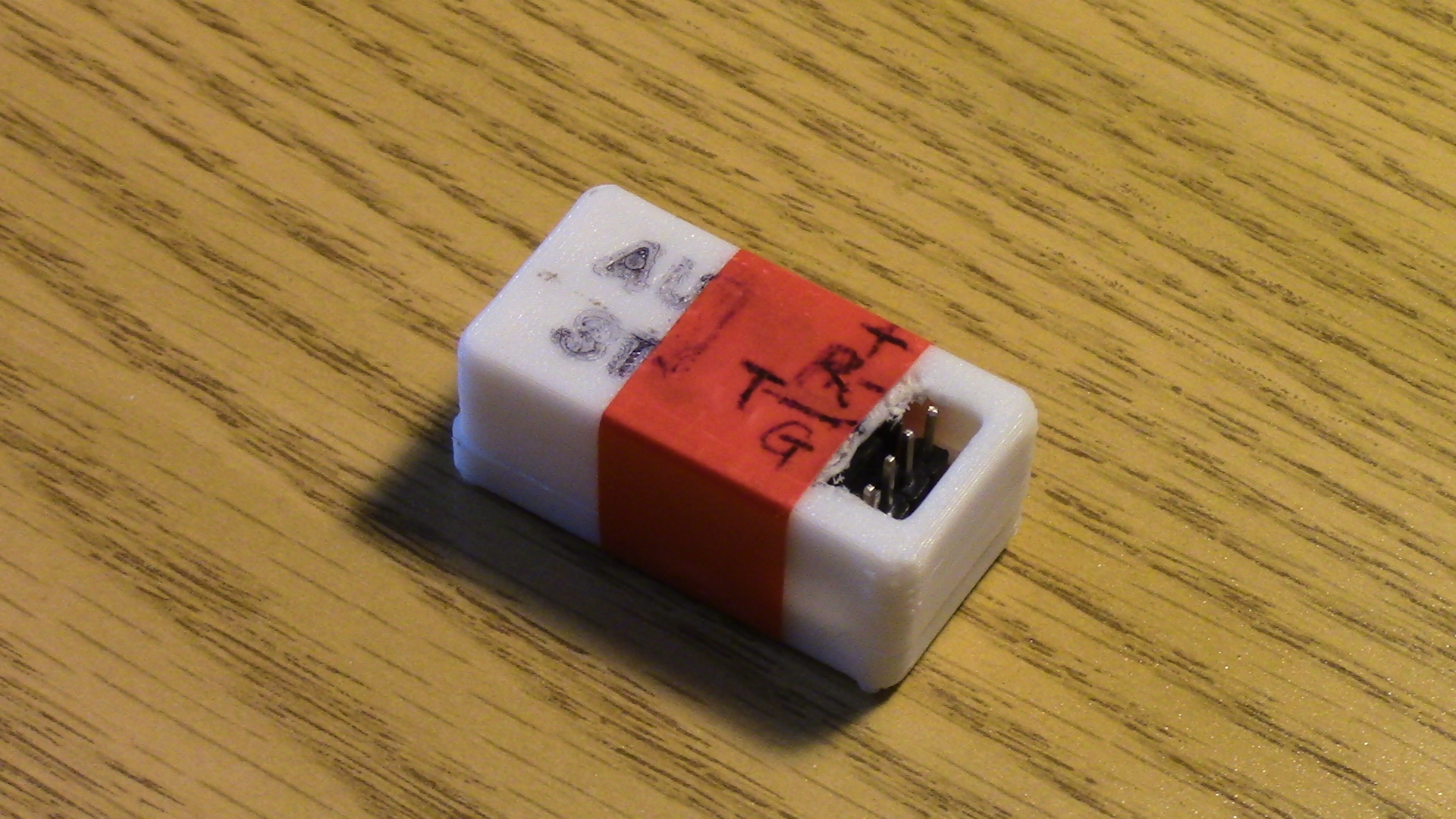
I built a small, reliable USB programmer for STC microcontrollers such as the STC89C52, centered on the CH340N USB–UART bridge. There are many USB-TTL devices out there but this one is a little bit more special: automatic power cycling. Normally when flashing a STC microntroller you have to manually toggle the boards power, however this automates that process. A two-transistor circuit watches the RTS line and briefly toggles the target’s 5 V rail whenever a flashing session starts. That short off/on pulse is exactly what STC parts expect before they enter their download protocol, so flashing becomes a single command instead of having to unplug and replug power.
The Two-Transistor Switch
The circuit is simple. The CH340N has an RTS, and that single handshake line drives a two-transistor stage that cleanly switches the target’s 5 V. The first transistor is for the first stage small level-control for the microntroller effectively pulsing the second transistor which acts kind of like a power switch transistor. The source of the pulsing comes from the capacitor which gives a quick on/off pulse to the base of the first transistor. For the second transistor, I did experiment with using an NPN, but I found out one problem: it did not share common ground with the microntoller circuit. So instead I used for a PNP transitor which effectively solved my problem.
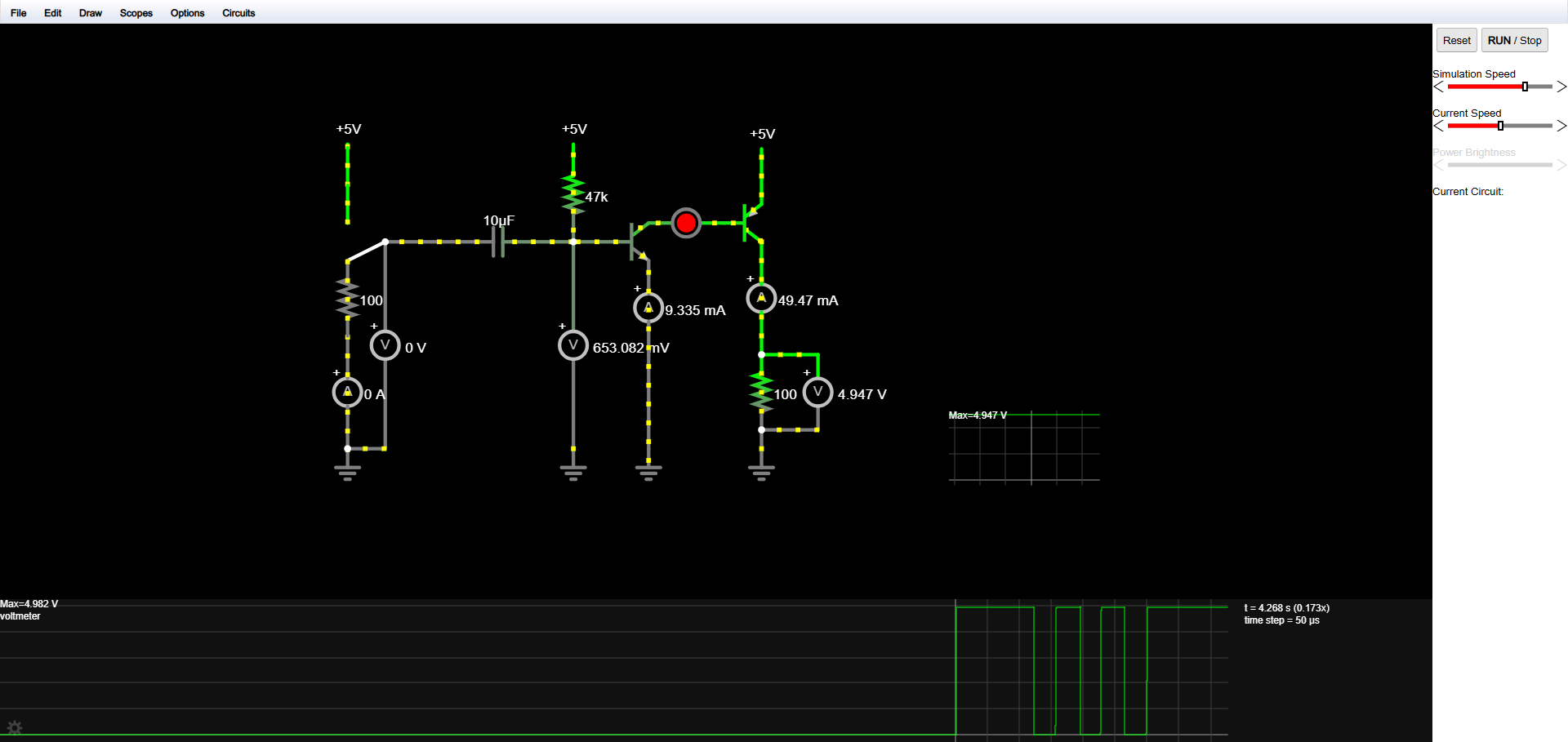
During development I simulated the behavior and verified that RTS transitions produced a crisp, short outage on VCC followed by a stable restore. That’s all the MCU needs to start listening for the downloader.
Here’s the link to the simulation of the transistor part of the circuit using Falstad Circuit Simulator:
https://tinyurl.com/circuit-link
Here’s the simulated circuit showing the two-transistor switch, sense resistor, and voltmeter traces during the power pulse.
And here is a screenshot of the full schematic: 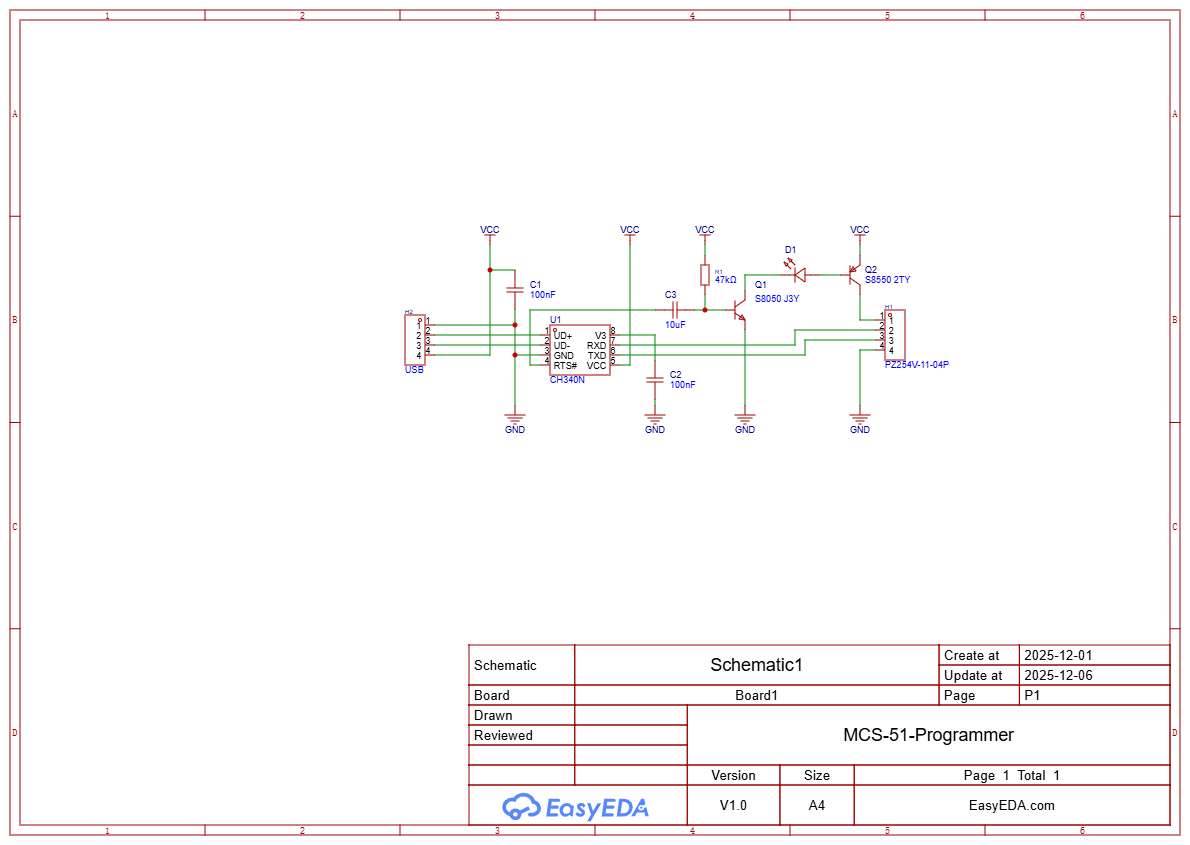
Wiring It Up
Hookup is straightforward:
TXDof CH340N →RXDof MCURXDof CH340N →TXDof MCU- Shared
GNDbetween programmer and target VCCto the target passes through the two-transistor switch, which is controlled byRTS
Flashing, Bare Metal
I use stcgal, which uses the STC serial protocol and can control RTS, so it naturally drives the power-cycle. When stcgal triggers RTS, the circuit interrupts power for a moment. As the rail comes back up, the MCU enters the download mode and the tool streams the firmware.
Example command:
1
stcgal code.ihx
Build
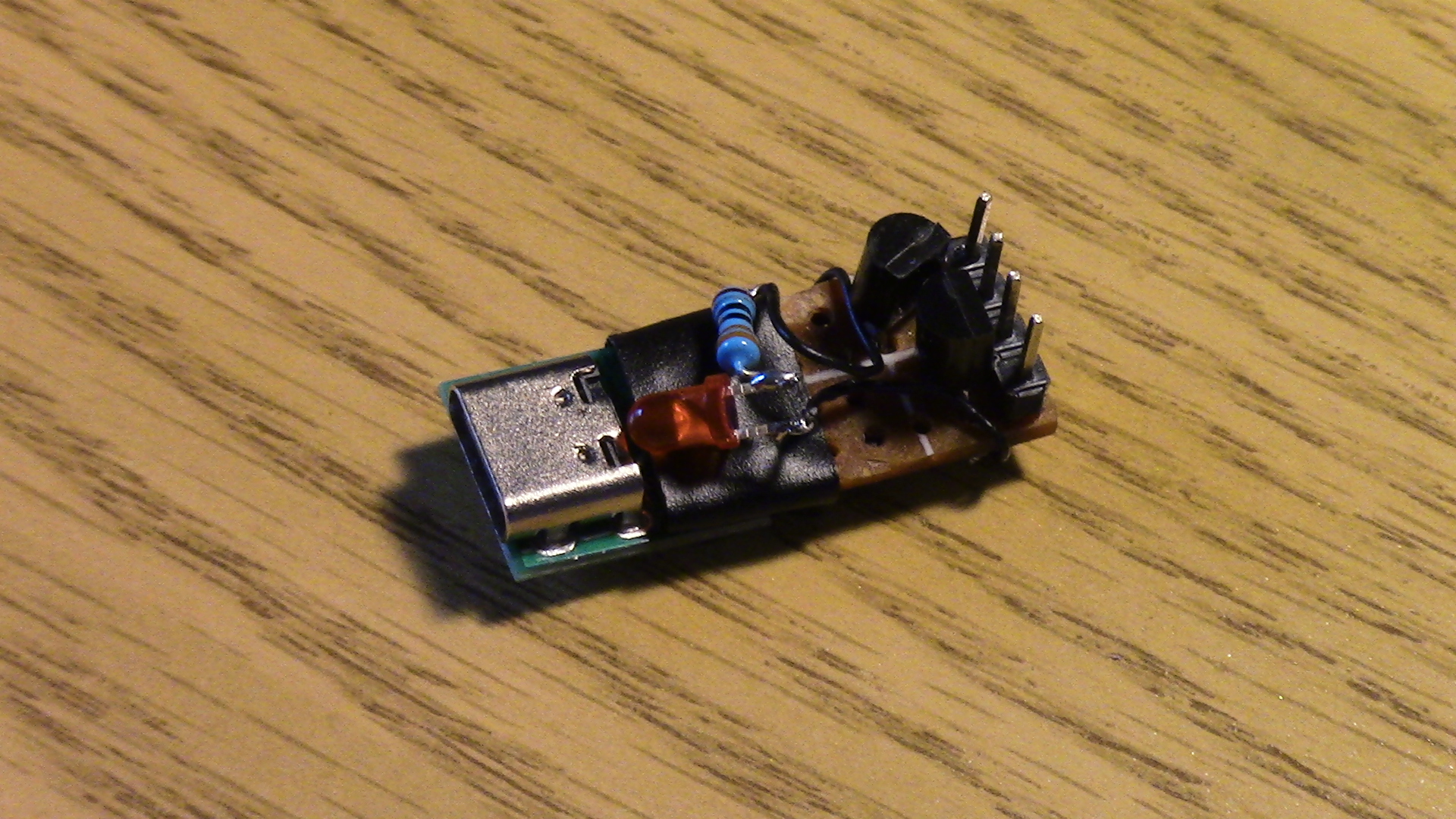
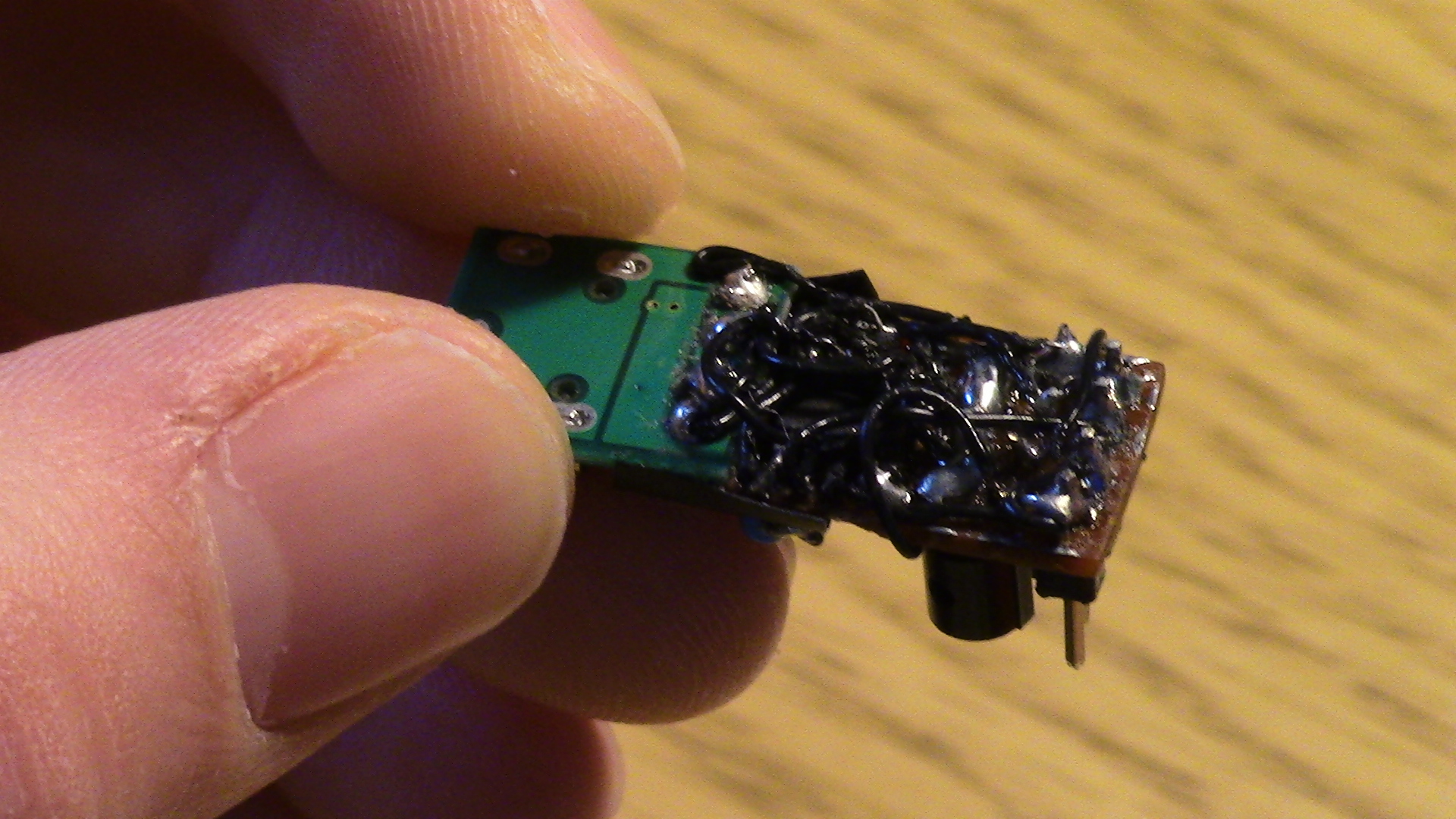
I made the circuit on a protoype board and I also designed a small enclosure to prevent possible short circuits. It was not the best soldering job but it worked.

Closing Thoughts
With the power-cycle automated, stcgal does the rest, and you can stay focused on firmware rather than fiddling with cables.